King Of Jordan: A Comprehensive Look At The Leadership And Legacy

King Of Jordan: A Comprehensive Look At The Leadership And Legacy - The king's emphasis on infrastructure development has attracted foreign investment and created jobs for Jordanians. Projects such as the Aqaba Special Economic Zone and the Queen Alia International Airport expansion have boosted the country's economic potential. The monarchy was officially established in 1946 when Jordan gained independence from British rule. Since then, the Hashemite kings have focused on nation-building, fostering unity among diverse ethnic and religious groups, and promoting regional stability. The monarchy's commitment to democracy, human rights, and economic development has earned it respect both domestically and internationally.
The king's emphasis on infrastructure development has attracted foreign investment and created jobs for Jordanians. Projects such as the Aqaba Special Economic Zone and the Queen Alia International Airport expansion have boosted the country's economic potential.
The legacy of the King of Jordan, Abdullah II, will be defined by his unwavering commitment to progress, peace, and prosperity. Through his leadership, Jordan has emerged as a beacon of stability in a turbulent region, offering hope and opportunity to its citizens.
Over the decades, the Jordanian monarchy has evolved to meet the challenges of a changing world. From King Hussein's efforts to modernize the country to King Abdullah II's focus on digital transformation and sustainable development, each ruler has left an indelible mark on Jordan's progress. The monarchy remains a stabilizing force in a region often plagued by conflict.
The economic policies of King Abdullah II have had a significant impact on Jordan's development. While challenges remain, his initiatives have laid the foundation for long-term growth and stability.
The monarchy in Jordan plays a critical role in maintaining national unity and fostering international relations. As the king of Jordan, the monarch is not just a figurehead but an active participant in the nation's governance, ensuring peace and prosperity for its citizens. Understanding the king's role is essential for comprehending Jordan's political landscape and future trajectory.
In conclusion, the king's role in shaping Jordan's future cannot be overstated. By addressing the nation's challenges with determination and vision, he has set a course for continued growth and development. We invite readers to share their thoughts and insights in the comments section below, and to explore other articles on our site for more information on Jordan's rich history and vibrant culture.
King Abdullah II has prioritized education as a cornerstone of national development. He has launched several programs aimed at improving access to quality education, particularly for underprivileged communities. Additionally, his focus on STEM education has positioned Jordan as a regional leader in technology and innovation.
Sustainability is a key priority for the king, who has emphasized the importance of renewable energy and environmental conservation. His commitment to green initiatives aligns with global efforts to combat climate change and ensure a sustainable future for all.
This article aims to provide a detailed exploration of the king's leadership, including historical context, current initiatives, and future prospects. By examining the king's contributions to Jordan's development, we aim to highlight the importance of the monarchy in shaping the nation's destiny.

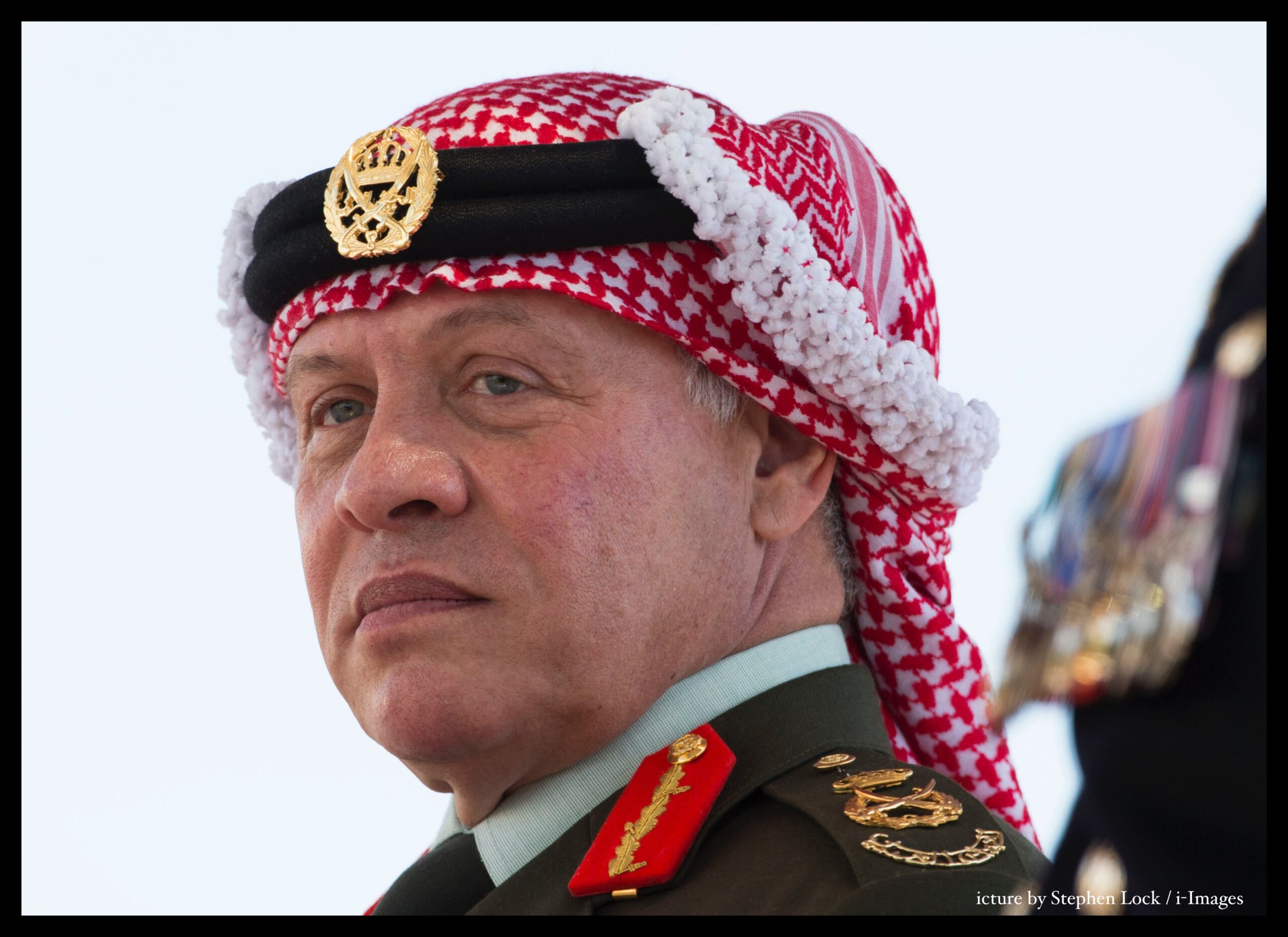
His majesty king Abdullah II of Jordan King abdullah, Jordan royal
The king's investment in education and innovation will continue to shape the next generation of leaders in Jordan. By equipping young people with the skills and knowledge needed to thrive in a rapidly changing world, he is preparing the nation for success in the 21st century.
King Abdullah II has forged strong alliances with global powers, including the United States, European Union, and Gulf Cooperation Council (GCC). These partnerships have facilitated economic cooperation, military assistance, and cultural exchange programs.